
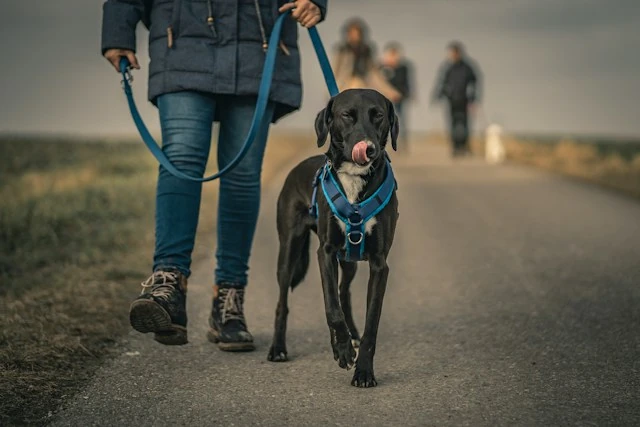
Is your dog pulling on the leash during walks? Don’t worry, no-pull dog harnesses solve this problem. But before you get one, there are criteria you should consider when choosing. Here are the best types and options suited for dogs that pull hard.
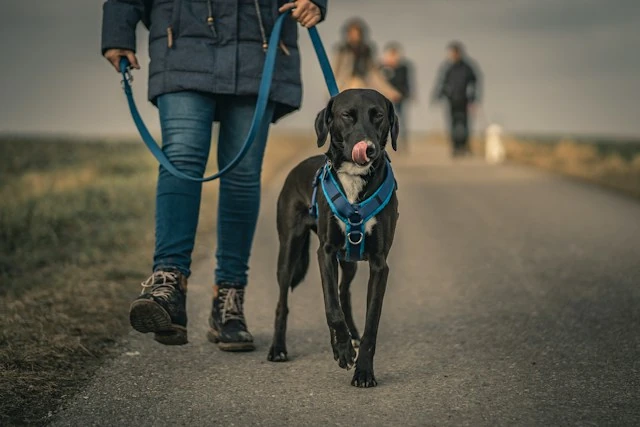
If your dog ruins the pleasure of your walk together by pulling hard on the leash, making the walk less enjoyable, you’re not alone. Leash pulling is one of the most common problems during walks with dogs. But the right harness can reduce your struggle and make walking more fun and comfortable for both you and your dog.
But the harness alone won’t put an end to leash pulling — it’s a tool that can help you control your dog better, relieve pressure on its neck, and teach it to walk beside you without pulling. In this guide, we’ll explain how no-pull harnesses work, the features you should pay attention to when choosing the right harness for your dog, and we’ll review some options that might suit you.
Why Do Dogs Pull on the Leash During Walks?
Most dogs pull on the leash for simple reasons, usually: either they’re excited, or they want to reach something that interests them, or they’ve learned that pulling on the leash gets them to a place they want to go. This is all natural behavior and doesn’t necessarily mean the dog is stubborn.
How Does a No-Pull Harness Work?
Unlike traditional harnesses that have a back attachment ring located on the dog’s back, most new no-pull harnesses include front attachment rings at the chest area. When your dog pulls the leash, these rings gently guide its body sideways toward you, reducing the effectiveness of the pull.
Criteria for Choosing the Right Harness
- A front leash attachment ringThis is the essential feature of a good harness. Harnesses equipped with both front and back attachment rings give you greater flexibility in use.
- Comfortable liningChoose a harness with a soft inner layer that reduces friction against the dog’s skin.
- A secure, adjustable fitChoose a harness you can adjust from several points, so it stays secure on the dog’s body without rubbing against its skin or causing it discomfort.
- Easy to put on and take offThis feature saves you effort and time, especially if your dog dislikes harnesses and resists when you try to pass it over its head.
- Durability and the quality of the metal and plastic partsStrong buckles and sturdy stitching are essential when choosing a harness for a large, strong dog.
- Reflective elementsThese elements help others see your dog clearly while walking in dark places and times.

Types of No-Pull Dog Harnesses
Front-Attachment-Only Harness
The leash attaches to a ring located at the dog’s chest. This type is simple and effective with most dogs that pull the leash moderately, and it’s often the least expensive option.
Front-and-Back Dual-Attachment Harness
This type lets you attach the leash at the chest during training, or at the back during daily walks once the dog’s behavior improves and its leash-pulling decreases. It’s distinguished by its multiple uses, but it’s usually a bit more expensive than the front-attachment-only harness.
The Snug or No-Slip Harness
Some of these harnesses are designed to become more snug around the dog’s body when it pulls the leash, without pressing on its neck or choking it. They can be useful for dogs that try to back out of the harness, but the right size must be chosen and properly adjusted to ensure safe, comfortable use.
How to Take Your Dog’s Measurements to Choose the Right Harness
A harness only provides the protection and comfort needed if it fits the dog’s size. Start by measuring the chest circumference at its widest point, just behind the front legs, then measure the neck circumference. Then, compare the measurements to the sizing chart provided by the manufacturer, rather than relying on the dog’s weight alone, because body sizes vary from one breed to another even when the weight is the same.
The two-finger test: Make sure you can fit two fingers flat between each strap and the dog’s body. If the harness is too tight, it may rub against its skin and cause irritation; if it’s too loose, the dog may be able to back out of it and escape.

Best Options
There are several categories of harnesses worth comparing when shopping, depending on your dog’s needs and what matters most to you:
Best overall option
A harness equipped with front and back attachment rings, padded straps, and four adjustment points. It offers a good balance between control and comfort for most dogs that pull the leash.
Best for large or strong dogs
Look for a harness with reinforced stitching, metal attachment parts instead of plastic, and a sturdy front ring that can withstand high pulling force.
Best budget option
A simple harness equipped with a front attachment ring and two adjustment points. It may offer less adjustment flexibility, but it provides the basic function needed.
Best for sensitive skin or short fur
Choose a harness padded with soft mesh fabric or synthetic fleece around the chest and belly, to help reduce friction during long walks.
Tips for Getting Your Dog Used to Wearing the Harness
Let your dog sniff the harness and get to know it, then train it indoors first, rewarding it when it behaves calmly. Keep the first walks short, until the dog stops pulling the leash and gets used to it.
The harness helps improve control over the dog, but it doesn’t automatically teach it to walk without pulling; it still needs to be trained on this habit, with its correct behavior reinforced consistently.
Frequently Asked Questions
Do no-pull harnesses cause pain to dogs?
No, if the harness is suited to the dog’s size and properly adjusted. They help guide the dog’s movement when it pulls the leash instead of pressing on its neck, which makes them a gentler option than a traditional collar.
Does the dog stop pulling the leash as soon as it wears the harness?
The harness helps improve control over the dog from the start, but getting rid of the leash-pulling habit requires regular, consistent training, and this may take several weeks.
Can puppies wear no-pull harnesses?
Yes, as long as you choose a harness suited to the puppy’s size and check its fit regularly. Puppies grow quickly, and a harness that fit a month ago may now be too tight on them.
Conclusion
A no-pull harness alone isn’t enough to make your dog stop pulling the leash during walks, but it makes things easier and more manageable while you work on training it to walk with a loose leash. Look for a secure harness suited to your dog’s size, equipped with a front attachment ring and sturdy parts that can withstand its strength and size. With these choices, your walks together will become less stressful, further from constant leash pulling (see the American Kennel Club for more training resources), and more enjoyable for both of you.
Comments