

How often should you brush your dog? In most cases, it depends on one thing: coat type. A short-haired Beagle, for example, can be brushed once a week, while a curly-coated Poodle needs brushing every day. This guide gives you a simple routine for each coat type, so you can stop guessing and keep your dog comfortable.
Regular brushing is a very important routine for your dog. It distributes the skin’s natural oils through the coat, removes loose hair and dirt, prevents painful tangles, and gives you a chance to check your dog’s skin for anything unusual. Most dogs also come to enjoy it once they get used to it.
How Often Should You Brush Your Dog? The Quick Answer
So, how often should you brush your dog? Use this table as a starting point. These are general guidelines, and your dog’s coat, age or lifestyle may call for more or less brushing.
| Coat type | Example breeds | Brushing frequency | Recommended tools | Notes |
|---|---|---|---|---|
| Short / smooth | Boxer, smooth Dachshund, Greyhound | Once a week | Rubber brush or soft-bristle brush | Light shedding. Weekly brushing removes loose hair and gives the coat a shine. |
| Long / silky | Shih Tzu, Maltese, Yorkshire Terrier | Nearly daily | Pin brush and metal comb | Knots form quickly, especially behind the ears and under the legs. |
| Double coat | German Shepherd, Husky, Labrador | Two to three times a week | Undercoat comb and slicker brush | Heavy shedding, often in spring and fall. |
| Curly / wavy | Poodle, Bichon Frise, Goldendoodle | Daily | Slicker brush and metal comb | Curls trap loose hair, so knots form easily if brushing is neglected. |
Short Coat: Once a Week Is Usually Enough
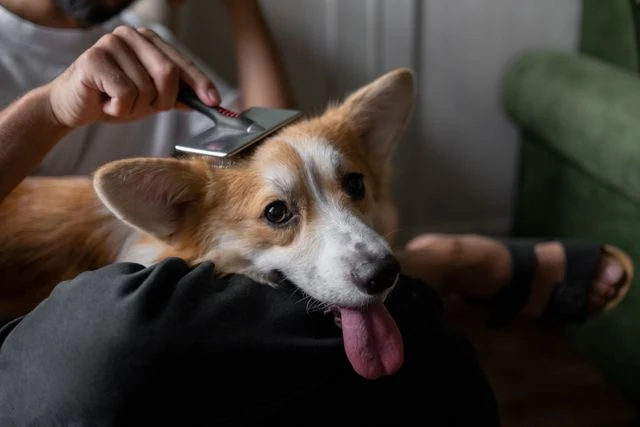
Dogs with short, smooth coats are the easiest to care for, so a weekly brushing session is enough. Use a rubber brush or a soft brush that removes loose hair and dirt and spreads the natural oils, which keeps the coat healthy and shiny. During periods of heavy shedding, you can add a second or third session.
Long Coat: Nearly Daily Brushing
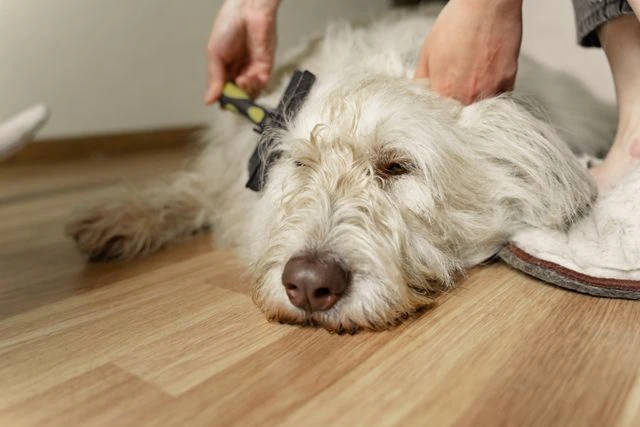
Long, silky coats tangle quickly. If you are wondering how often to brush a long-haired dog, the straightforward answer is: nearly every day. A few minutes each day keeps small knots from turning into mats. Use a pin brush for the top layer, then run a metal comb through the coat to find knots, especially behind the ears, under the legs and around the collar.
Also check the area under harness straps, since friction can cause knots there. A harness with a soft inner lining, like the ones in our guide to Best No-Pull Dog Harnesses, can help reduce friction.
Double Coat: Two to Three Times a Week
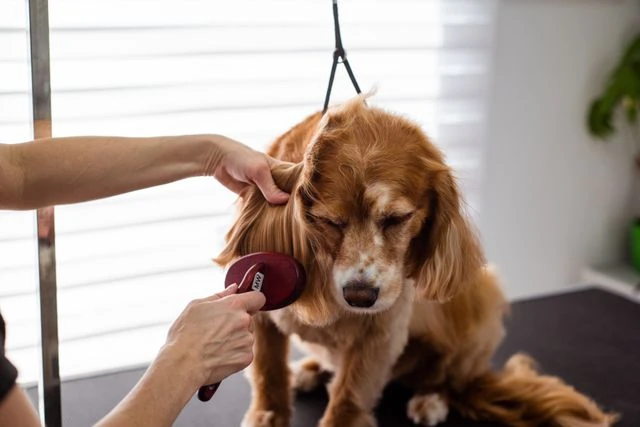
Breeds with a double coat have a soft undercoat beneath a protective outer layer, and this changes how often brushing is appropriate for this coat type. These dogs shed lightly most of the year, and heavily for several weeks, usually in spring and fall. For most of the year, two or three sessions a week with a slicker brush are enough. During heavy shedding, daily brushing with an undercoat comb removes loose hair and keeps your home cleaner. Consult a groomer before shaving a double-coated dog, because the coat plays an important role in protecting the skin.
Curly Coat: Daily Brushing
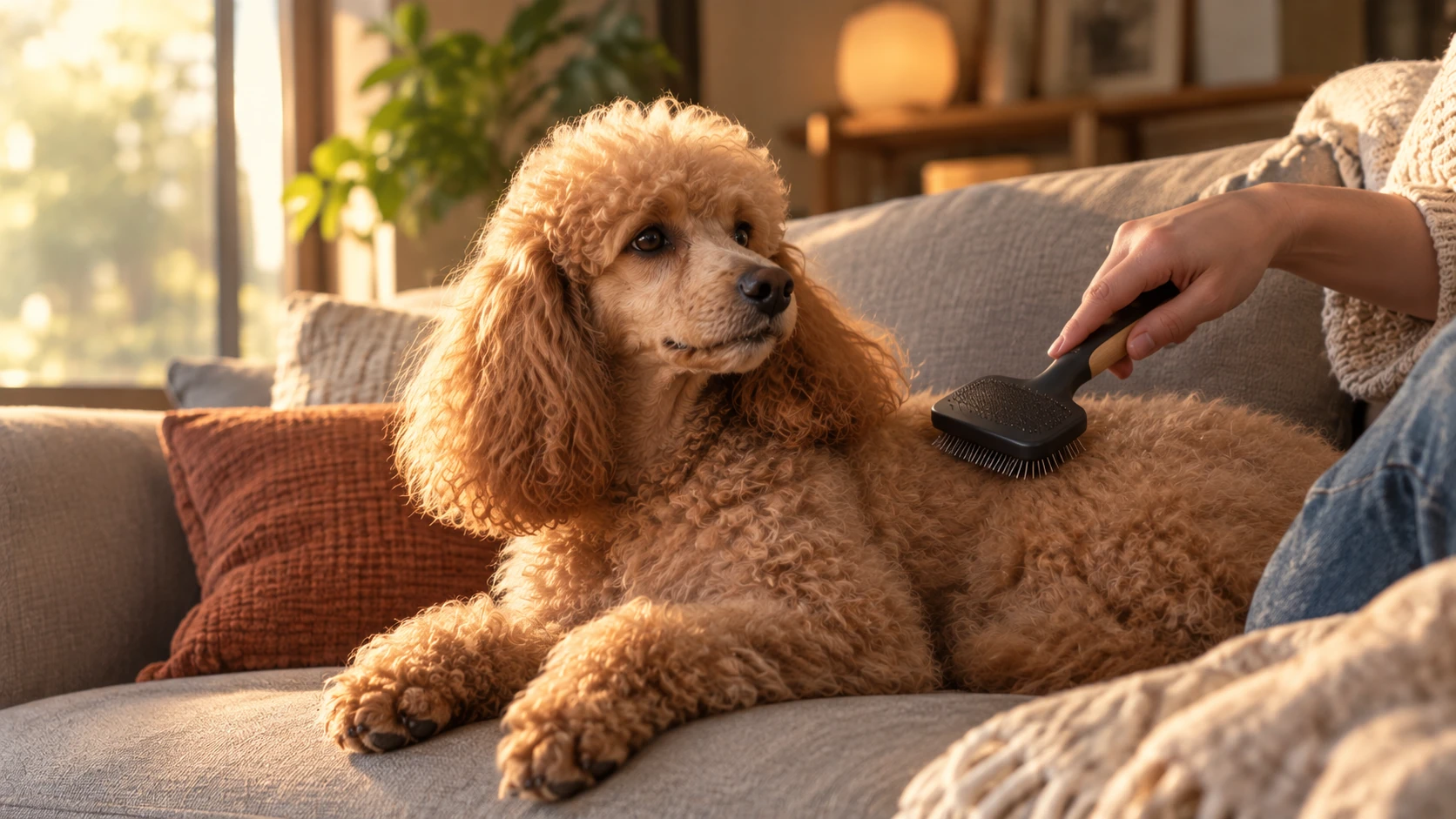
Curly and wavy coats, like those of the Poodle and the Goldendoodle, shed little, but the loose hair stays trapped inside the curls and turns into mats. That is why how often you brush a curly-haired dog differs from most other coat types: daily, or every other day. Try to get the brush all the way down to the skin, not just the top layer. This coat type usually needs the help of a professional groomer.
How to Brush Your Dog the Right Way
- Choose a quiet time, when your dog is relaxed.
- Start with gentle strokes in the direction of hair growth.
- Work in small sections and use a comb to check for hidden knots.
- Handle knots carefully. Hold the hair close to the skin so it doesn’t pull, and loosen the knot starting from its ends.
- Reward your dog after every brushing session so that they come to enjoy the process.
Don’t pull hard on a mat. If the mat is stuck to the skin, ask a groomer or veterinarian to remove it. Cutting the hair close to the skin can hurt your dog.
Signs Your Dog Needs More Brushing
Still wondering: how often should you brush your dog? Watch for these signs that your dog needs more brushing:
- You find more hair than usual on furniture and clothes.
- The coat looks dull or feels rough to the touch.
- You feel small knots or mats, often behind the ears, under the legs or on the belly.
- Your dog starts scratching their skin a lot.
If you notice redness, sores or persistent itching, talk to your veterinarian, as there may be skin problems that brushing alone cannot solve.
Make Brushing Part of Your Daily Routine
The easiest way to stay consistent with brushing is to tie it to something you already do, like the quiet time after the evening walk. If you want help building a full schedule for walks, meals, play and rest, read our guide to A Simple Daily Routine for a Healthy, Happy Dog. Start with sessions of two or three minutes, reward calm behavior, and increase the duration gradually, especially with puppies and shy dogs. For more general grooming and brushing tips, the American Kennel Club (AKC) is a useful resource.
Frequently Asked Questions
Should I brush my dog before or after a bath?
Before. Brushing first removes loose hair and knots, whereas water can tighten knots and turn them into harder mats.
How often should you brush your dog if it sheds heavily?
If the shedding is heavy, brush daily with a tool designed for the undercoat. When shedding eases, go back to your usual routine.
How often should you brush a puppy?
Short, gentle sessions several times a week help a puppy get used to brushing, even if the coat doesn’t need it yet.
Conclusion
So, how often should you brush your dog? The right answer depends on the coat type: weekly for short coats, two to three times a week for double coats, and daily for long and curly coats. Keep sessions short, gentle and enjoyable for your dog, and brushing will become one of the easiest ways to keep your dog comfortable and healthy.