

A good daily routine for dog owners doesn’t have to be complicated. Dogs thrive on predictability: when meals, walks, play and rest happen at roughly the same times each day, they feel safer, behave better and are easier to care for. The best part? A healthy, happy dog routine takes only a few simple habits, and you can start today.
In this guide you’ll find a clear, step-by-step daily routine for dog owners, a sample timetable you can copy, and tips for puppies, seniors and high-energy breeds.
Why a daily routine for dog care matters
Dogs don’t read clocks, but they learn patterns very quickly. A steady routine can help your dog by:
- Reducing stress and anxiety. Knowing what comes next helps dogs relax.
- Supporting good health. Regular meals, exercise and sleep support a healthy weight, digestion and energy levels.
- Making training easier. Dogs learn faster when daily life is consistent.
- Preventing boredom. Planned play and mental exercise reduce chewing, barking and other “problem” behavior.
- Helping you spot problems early. When you know your dog’s normal appetite, energy and bathroom habits, changes stand out.
Think of your daily routine for dog care as a flexible framework, not a strict timetable. A 15 to 30 minute difference is perfectly fine.
Morning: start your daily routine for dog care the right way
1. A potty break first thing
Most adult dogs need to go out soon after waking up. Take your dog out before breakfast and give calm praise or a small treat when they go in the right spot. Puppies and seniors may need to go out even more often.
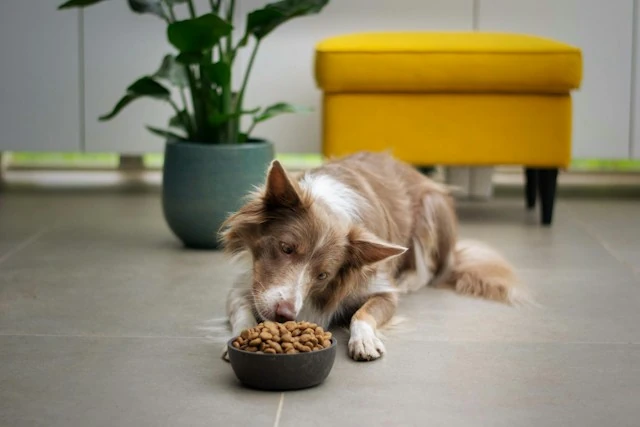
2. Breakfast and fresh water
Most adult dogs do well with two meals a day, one in the morning and one in the evening, roughly 8 to 12 hours apart. Puppies usually need three or four smaller meals, so ask your vet to help you plan the right schedule. Measure the food according to the feeding guide on the package and your vet’s advice, and keep fresh, clean water available all day.
3. A morning walk
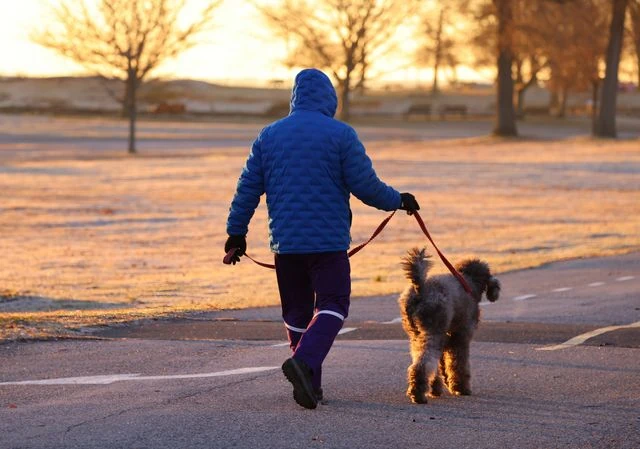
A walk after breakfast lets your dog sniff, explore and burn off energy. Let your dog sniff along the way: sniffing is real mental work and helps dogs feel calm afterwards. How long depends on breed, age and fitness, and the American Kennel Club notes that breed and health strongly shape how much exercise a dog needs. Many adult dogs enjoy anywhere from 20 to 45 minutes in the morning.
Midday: keep the brain busy
Potty break and a quick check-in
Adult dogs generally need a bathroom break every 4 to 6 hours. If you work away from home, ask a family member, neighbor or dog walker to help. Puppies need to go out much more often.
Short training and enrichment
Dogs don’t only need physical exercise. Add 10 to 15 minutes of mental stimulation to the middle of the day:
- A short training session (sit, stay, come, “leave it”)
- A puzzle feeder or a lick mat
- A safe chew toy
- A simple scent game: hide a few treats around the room
Keep sessions short and positive, and end while your dog is still enjoying it. Mental exercise is one of the most overlooked parts of a daily routine for dog training and enrichment.
Afternoon: exercise and play
The afternoon is a great time for more active play: fetch, tug, a game of hide and seek, or time at a dog-safe park. Matching the activity to your dog matters:
- High-energy breeds (such as Border Collies or Labradors) often need longer, more varied exercise.
- Small or flat-faced breeds usually do best with shorter, gentler sessions, especially in hot weather.
- Seniors benefit from shorter, slower walks and soft surfaces.
In hot weather, walk early or late in the day, avoid hot pavement, and always bring water.
Evening: dinner, care and a calm night
Dinner at a steady time
Feed dinner at about the same time every day. A relaxed walk before or after the meal is fine. Many owners prefer a short, calm stroll after dinner rather than hard exercise right away.
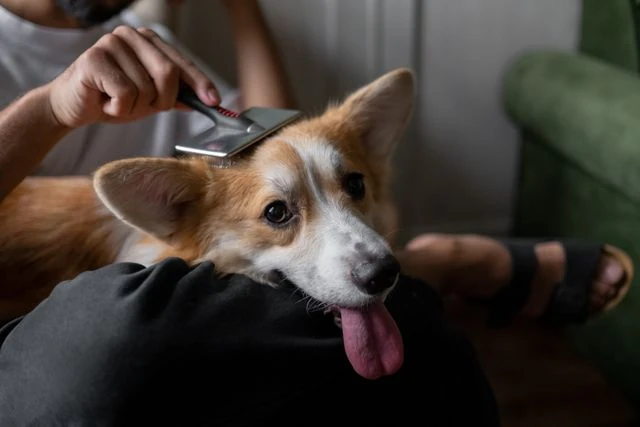
Grooming and care moments
The evening is a lovely time to add short, gentle care sessions your dog starts to look forward to:
- Brushing. How often depends on the coat: roughly once a week for short, smooth coats; two to three times a week for double coats (daily during heavy shedding); every day or every other day for long, silky coats; and every one to two days for curly coats, which mat quickly.
- Teeth. Daily brushing with dog-safe toothpaste is ideal; several times a week is still helpful.
- Quick body check. Gently run your hands over paws, ears, skin and belly to notice lumps, redness or tangles early.
Keep sessions short, give treats, and your dog will learn to love them. Grooming fits easily into any daily routine for dog care.
Last potty break and bedtime
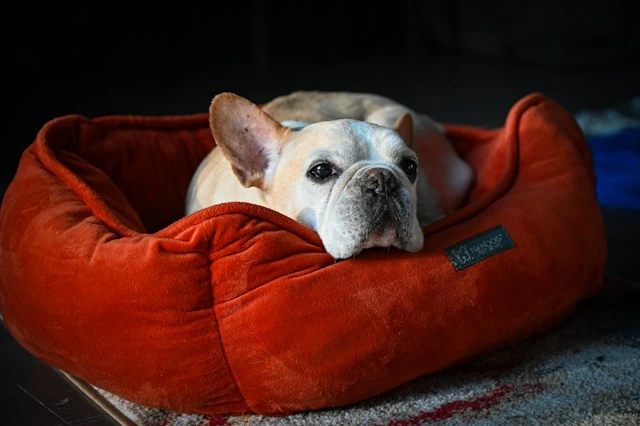
A final bathroom break before bed helps everyone sleep better. Then guide your dog to a cozy, quiet sleeping spot. Adult dogs sleep around 12 to 14 hours a day, and puppies and seniors often sleep even more, so rest is an important part of the routine, not a sign of laziness.
A sample daily routine for dog owners (adult dog)
Copy this schedule and adjust it to your own life:
- 7:00 AM: Wake up, potty break
- 7:30 AM: Breakfast and fresh water
- 8:00 AM: Morning walk (20 to 45 minutes)
- 12:00 PM: Potty break, short training or puzzle toy
- 4:00 PM: Playtime or a second walk
- 6:00 PM: Dinner
- 7:00 PM: Calm time: brushing, teeth, cuddles
- 9:30 PM: Last potty break
- 10:00 PM: Bedtime
Adjusting your daily routine for dog age and lifestyle
- Puppies: More frequent meals, more potty breaks, many naps and very short training sessions. Ask your vet about feeding amounts, vaccines and parasite prevention.
- Senior dogs: Shorter, gentler walks, easy access to water and a soft bed, and regular vet check-ups.
- Dogs with health conditions: Follow your vet’s advice on diet, medication and exercise, and build the routine around it.
- Busy owners: Consistency matters more than perfection. Even a simple daily routine for dog life, with regular meals, a daily walk and a few minutes of play, is a great foundation.
Weekly and monthly add-ons
Beyond the daily basics, add a few regular tasks to your calendar:
- Nail trims, as needed
- Ear and eye check
- Bath when needed (not too often, to protect the skin)
- Flea, tick and worm prevention as recommended by your vet
- A yearly check-up with your vet (more often for puppies and seniors)
Common mistakes to avoid
- Skipping mental exercise. A tired body is not always a satisfied mind.
- Changing meal times constantly. Big swings can upset digestion and routines.
- Making walks all about speed. Let your dog sniff and explore.
- Leaving dogs alone too long without bathroom breaks or company.
- Giving too many treats or the wrong foods. Count treats as part of the daily food and check the ASPCA list of people foods to avoid before sharing human food.
Frequently asked questions
How many times a day should I walk my dog?
Most adult dogs do well with two to three outings a day. The right length depends on breed, age and health, so watch your dog: calm and content afterwards is a good sign.
How many times a day should I feed my dog?
Most adult dogs eat twice a day. Puppies typically need three or four smaller meals. Your vet can recommend the right amount and schedule for your dog.
Do dogs really need a routine?
Dogs don’t need a rigid schedule, but they benefit from consistency. Predictable meals, exercise and rest help many dogs feel calmer and more secure.
What if my schedule changes?
That’s okay. Keep the order of the day similar (potty, food, walk, play, rest) even if the times shift. Dogs adapt well when the pattern stays familiar.
How long should a daily routine take?
Most owners spend between one and two hours a day on walks, play, training and care, spread across the day. Many of these moments overlap with your normal day.
Final thoughts
The best daily routine for dog families is the one you can actually keep. A healthy, happy dog doesn’t come from a perfect schedule. It comes from small, consistent habits: regular meals, daily exercise, mental stimulation, gentle grooming and plenty of rest and affection. Start with the basics, watch how your dog responds, and adjust along the way.
This article is for general information and isn’t a substitute for professional veterinary advice. If you have concerns about your dog’s health, diet or behavior, please talk to your vet.
Want more simple, vet-friendly advice? Explore the latest guides on PetDigest.